How Are Paintless Dent Repairs Performed?
Dents affect your vehicle’s appearance even when the paint still looks intact. Paintless dent repair, also known as PDR, uses specific tools to fix some dents by carefully reshaping the metal. By the end of the repair, your vehicle’s existing finish is preserved and visible evidence of the dent is removed. Here’s a closer look at how the process works and what technicians consider when deciding whether PDR is right for a vehicle:
What Is Paintless Dent Repair?
Paintless dent repair is a method for removing dents without sanding, filling, or repainting the damaged area. A technician uses specialized tools to gradually move the dented panel back toward its original shape.
PDR is often an option for dents where the paint has not cracked or chipped and the metal can still be reshaped. The right repair method depends on the dent’s size, depth, location, and effect on the panel.
How Does the Paintless Dent Repair Process Work?
Dents that qualify for paintless dent repair often stem from hail damage, door dings, or minor-impact accidents. Each repair depends on the vehicle and the damage, but the process generally includes these steps:
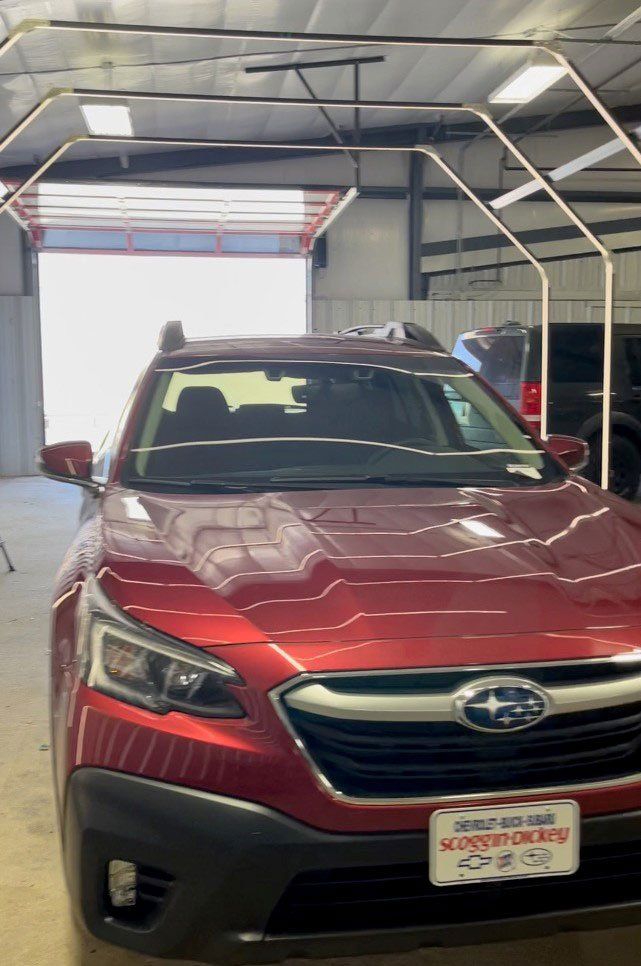
- Inspect the panel: The technician examines the dent and uses specialized lighting to assess the panel’s surface more closely.
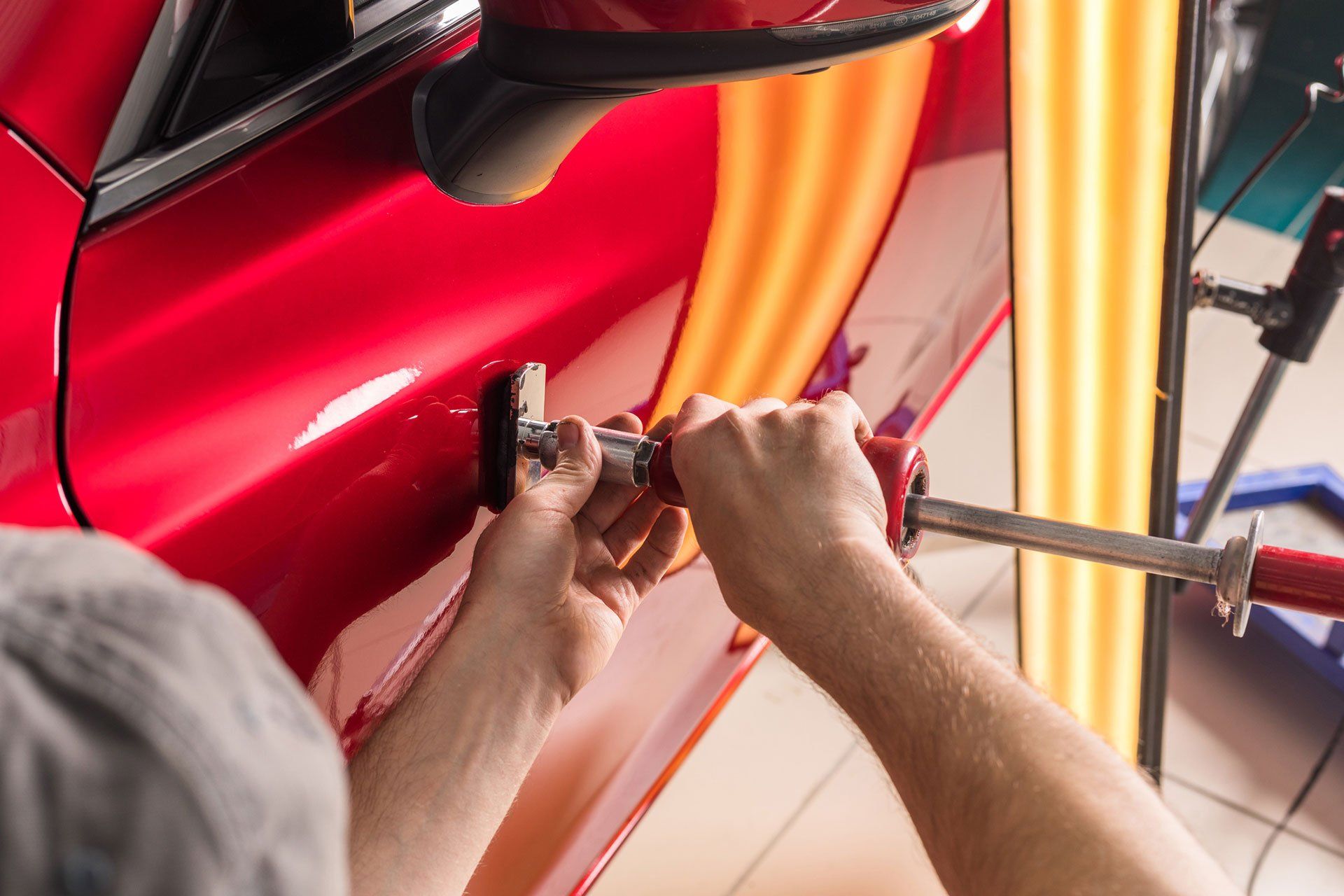
- Choose an access method: The technician determines whether the back of the panel is reachable for repair. In some cases, removing trim or other components is required. If access is limited, the technician may use a pulling tab attached to the outside of the panel.
- Reshape the metal: The technician applies controlled pressure in small increments to gradually move the dent toward its original condition.
- Check the results: The technician repeatedly inspects the panel under specialized lighting throughout the repair, making adjustments to address high or low spots.
Which Dents Can Be Repaired With PDR?
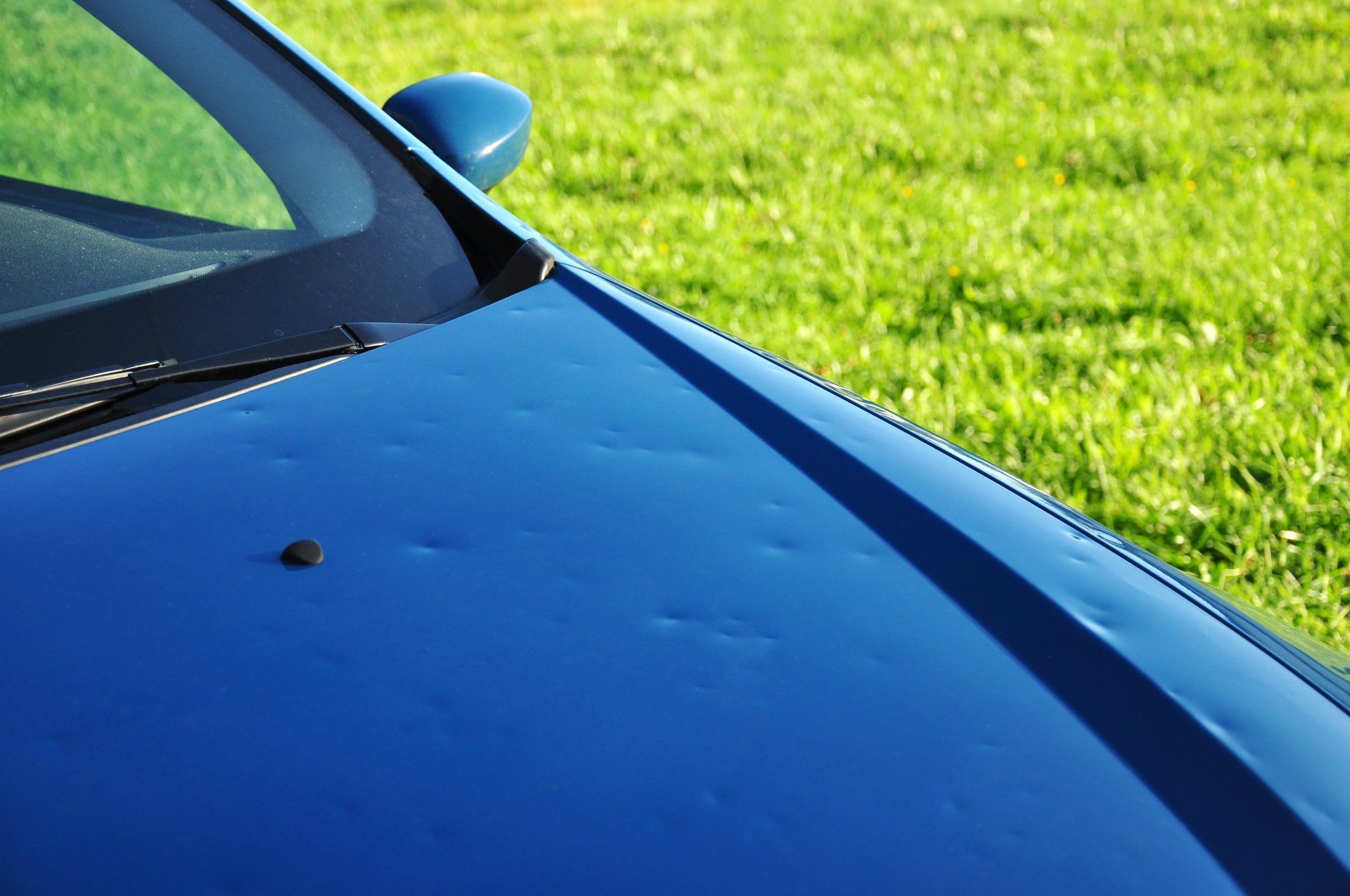
PDR may work well for some door dings and hail dents, but it is not suitable for every type of damage. A technician will consider whether:
- The paint is intact: Cracked or chipped paint can make PDR unsuitable because the finish may not withstand reshaping.
- The metal can be reshaped: A severely stretched panel may not qualify for PDR.
- The dent is accessible: The technician needs to reach the damaged area with the appropriate tools or use a suitable alternative technique.
- The dent’s shape and location are workable: Sharp creases and dents near a panel’s edge can be more challenging to repair.
If the damage does not qualify for paintless dent repair, conventional auto body repair may be a better fit. The Dent Company Collision Center LLC offers services including paintless dent repair, hail damage repair, and windshield repair. An inspection can help determine the appropriate approach.
How Is PDR Different From Conventional Collision Repair?
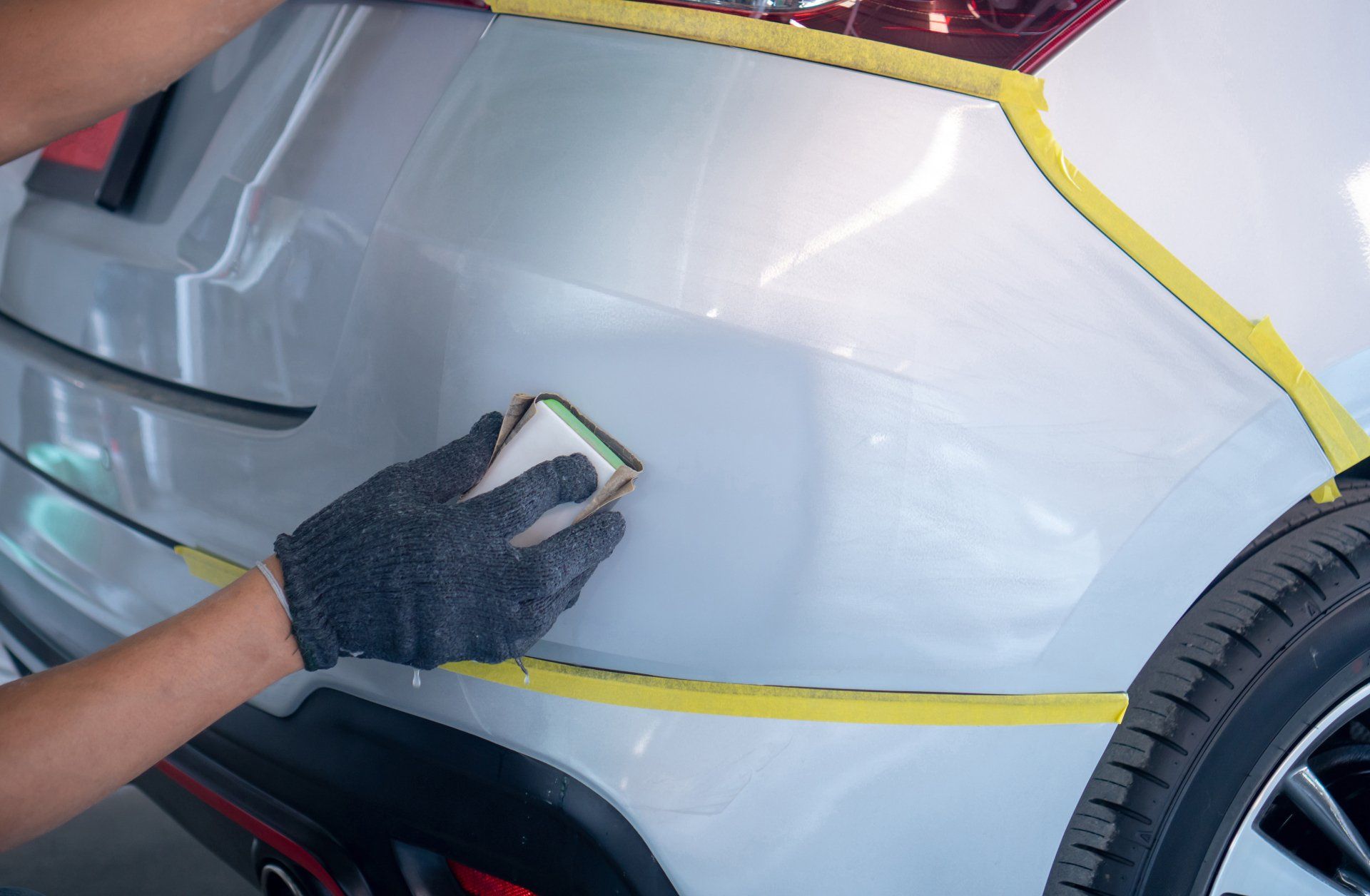
A traditional repair often includes sanding, filling, and repainting the damaged area. A paintless dent repair service avoids those steps when the dent is a good candidate for reshaping, which can help preserve the original finish.
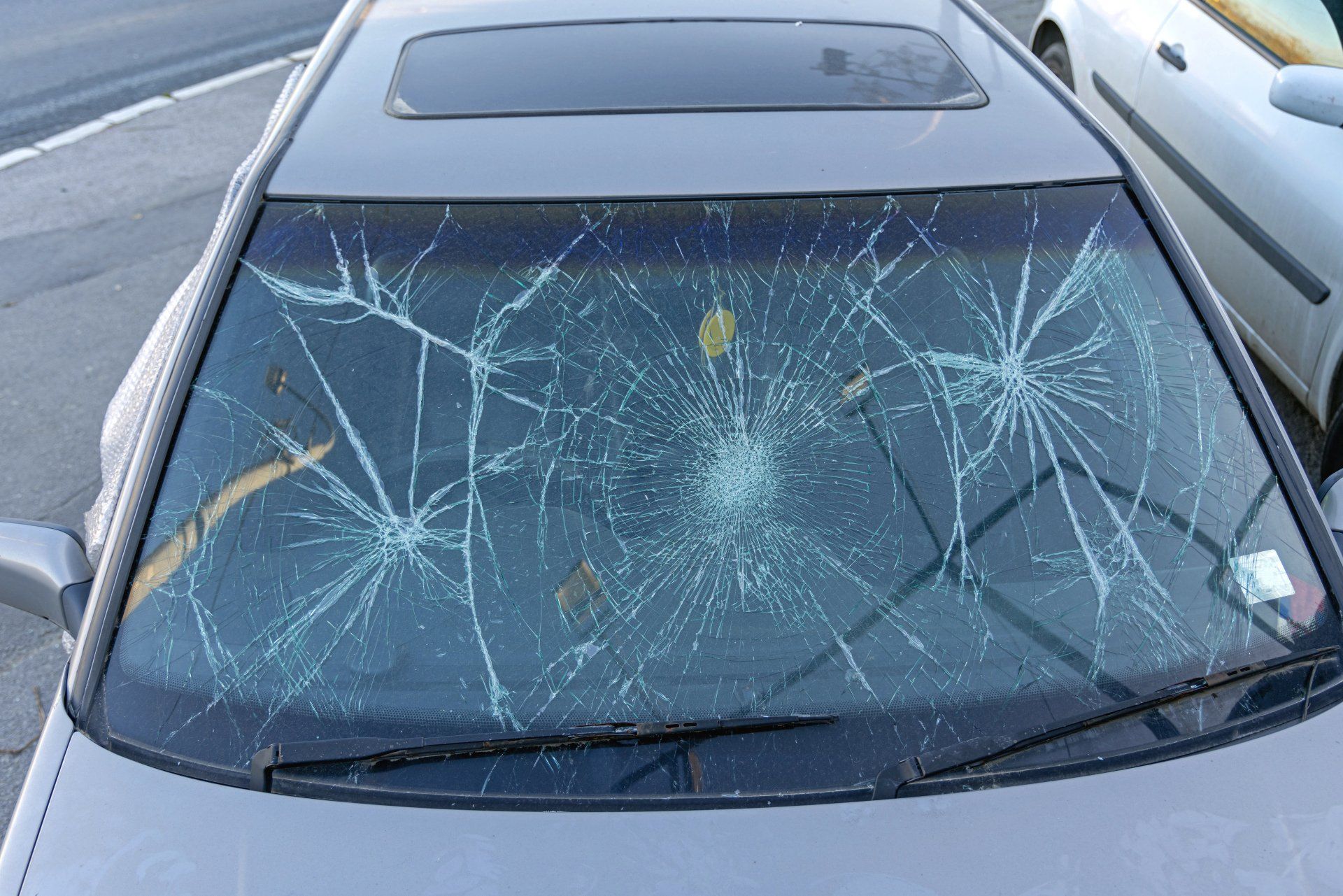
Additionally, windshield repair is a separate service from paintless dent repair and conventional collision repair. If a hailstorm damaged both the vehicle’s body and glass, each area may need its own inspection and repair plan.
Paintless Dent Repair in Lubbock and Nearby Communities
The Dent Company offers paintless dent repair at its Lubbock location and serves drivers in Lubbock, Snyder, Abilene, and Sweetwater, TX. The company also provides hail damage repair, windshield repair, and collision repair services through its locations in Lubbock and Sweetwater.
A technician can inspect the damage and explain whether PDR or another repair service is an appropriate option for your vehicle. Contact The Dent Company Collision Center today to schedule an appointment with our experienced professionals.